

The essentials included several personal hygiene kits, camp cots, propane heaters, and field-grade tents. There were additional supplies such as tablets for water purification and medical equipment. In addition, each of the systems was specifically designed to assist up to 300 people, delivering vital supplies and shelter in times of crisis.
A phased approach was a component of the delivery approach. To ensure there was adequate coverage, two sets of containers were distributed in Kathmandu. In order to ensure timely and effective delivery of the DRS, ground transportation was used along multiple locations, including Dolakha, Saptari, Sindhupalchowk, Myagdi, Darchula, Dang and Jumla. Likewise, for less accessible and difficult locations like Humla and Manang, coordination was established between Kathmandu Airport, Nepalgunj Airport and Pokhara Airport to facilitate air cargo transit. In particular, supplies that were intended to be sent to Humla were transported to Nepalgunj Airport before being airlifted to Humla-Simikot. Similarly, goods for Manang were delivered by airplane from airports in Pokhara or Kathmandu.

Nepal Resilience Network: Rapid Relief and Preparedness Initiative
Project Overview
In an effort to meet the needs of both immediate COVID-19 response and long-term disaster preparedness, this project has succeeded in delivering 12 Disaster Relief Systems (DRS) across 11 locations among Nepal’s seven provinces. Three storage containers served as storing and transferring units, containing each Disaster Relief System (DRS), which was diligently in order to provide comprehensive disaster relief. These containers were placed in a disaster-prone area near 11 different locations in Nepal, enabling the DRS to be swiftly mobilized as required. Furthermore, a sufficient amount of medical equipment, sanitary facilities, and shelter were offered by each system, which could accommodate up to 300 people.
- Tags:Disaster Relief System, DRS
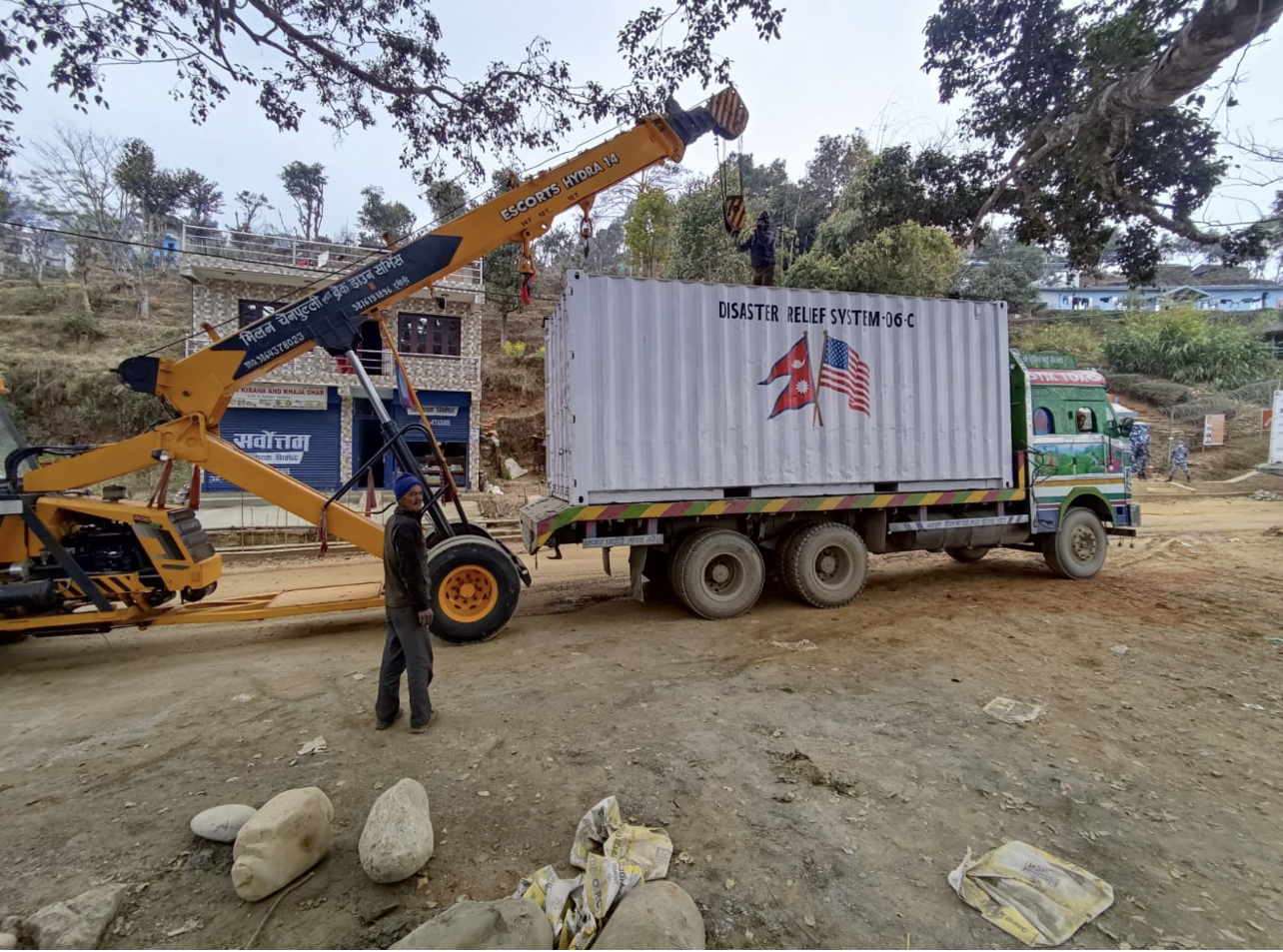
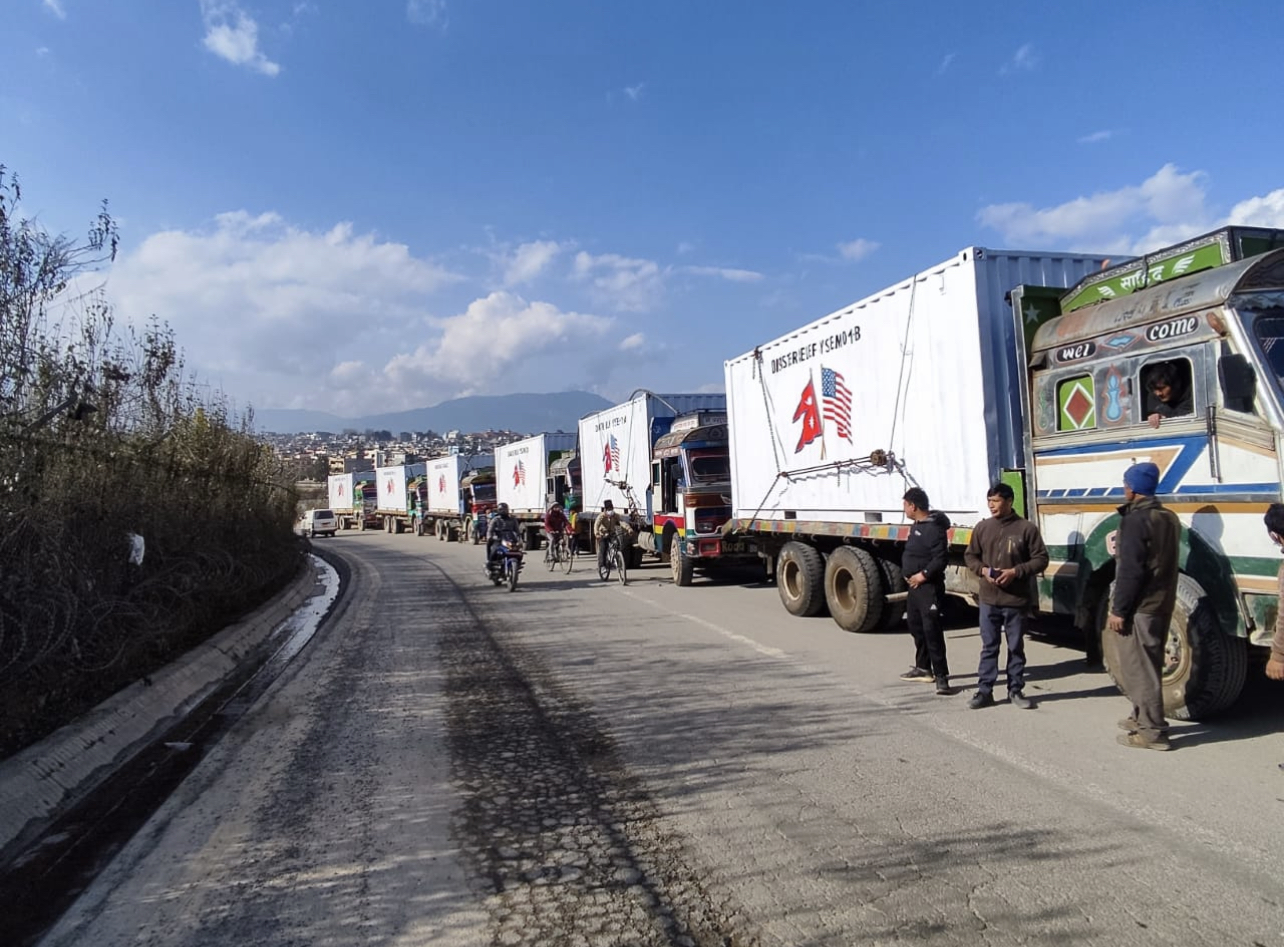
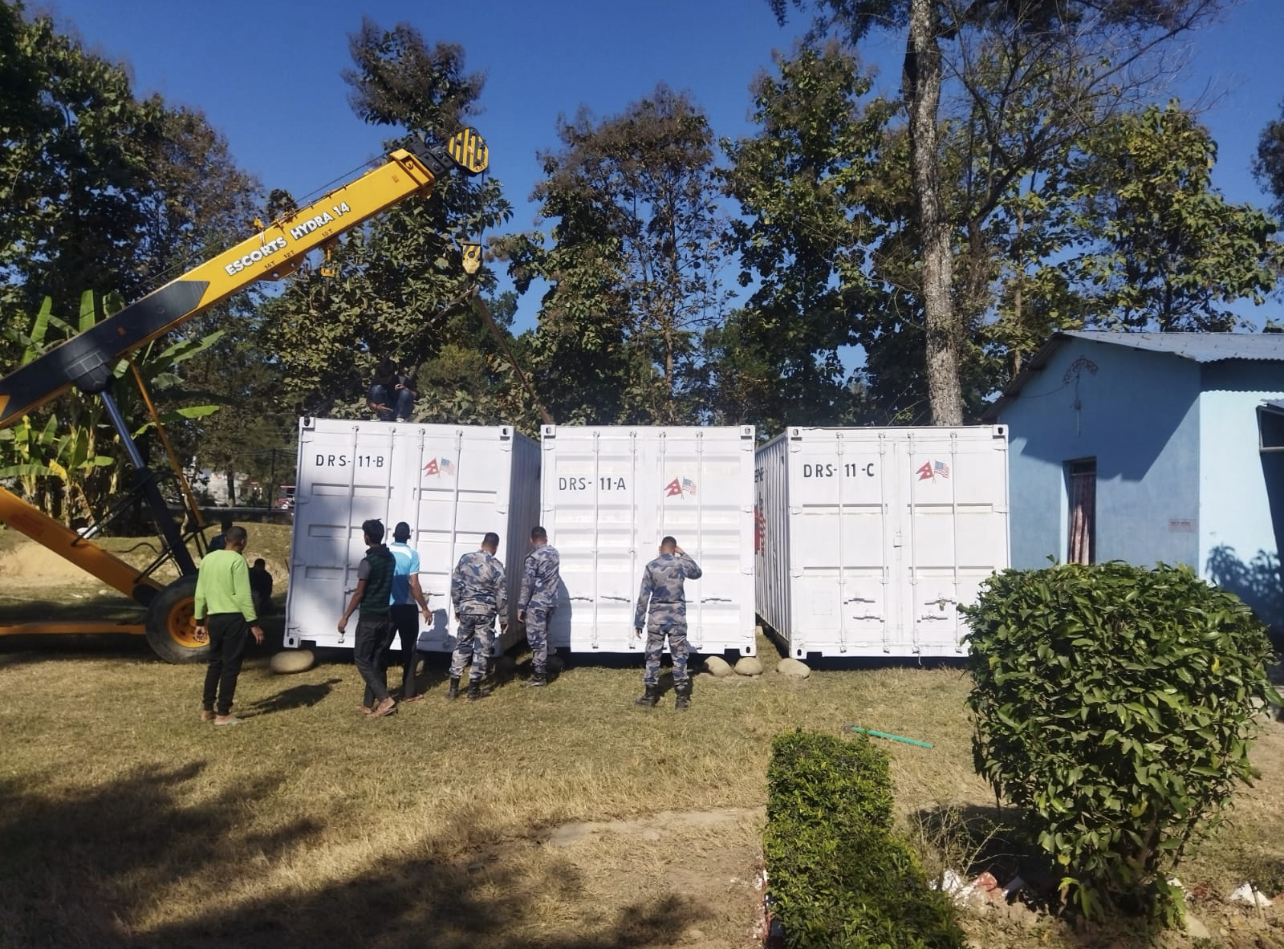
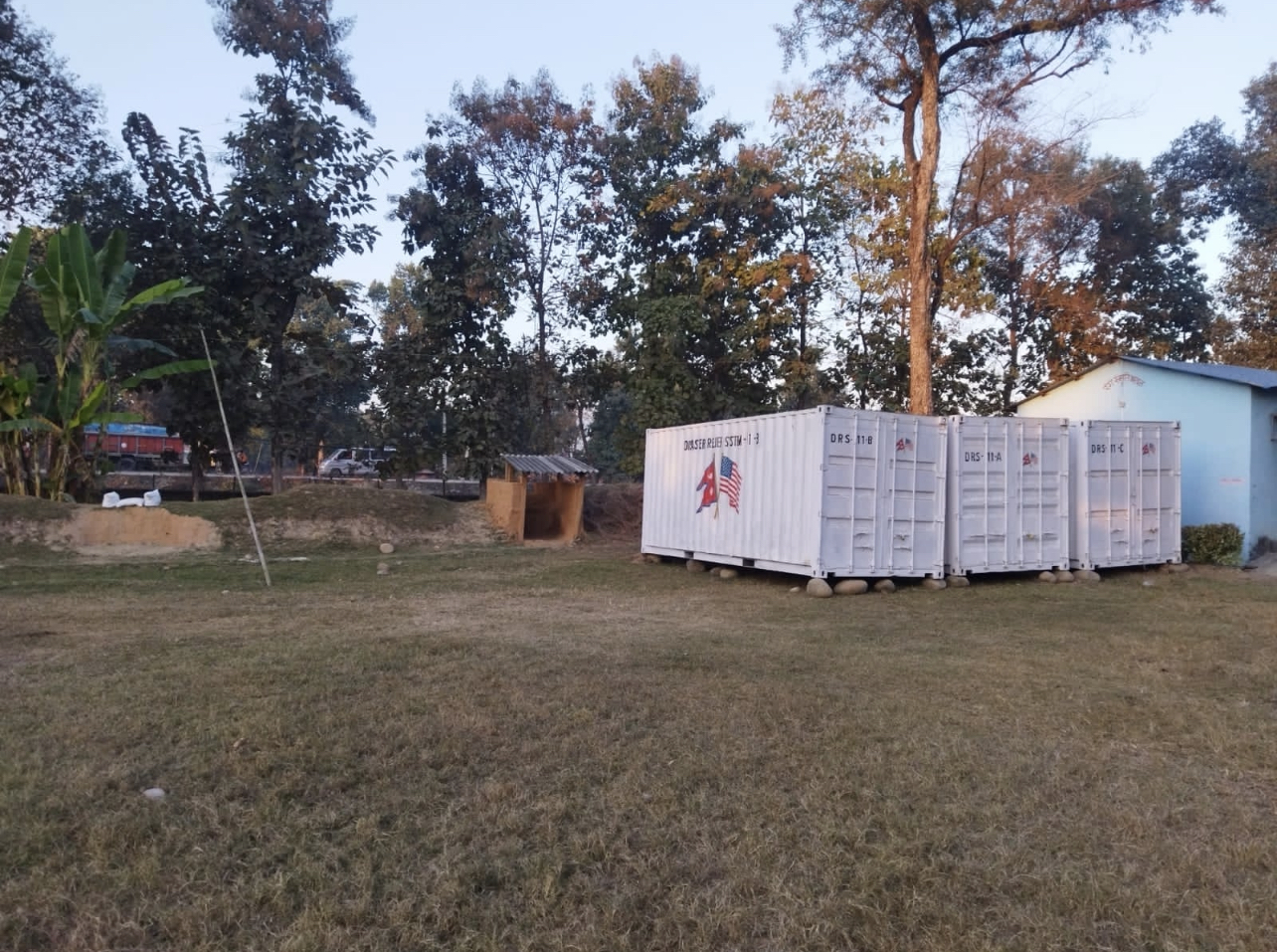
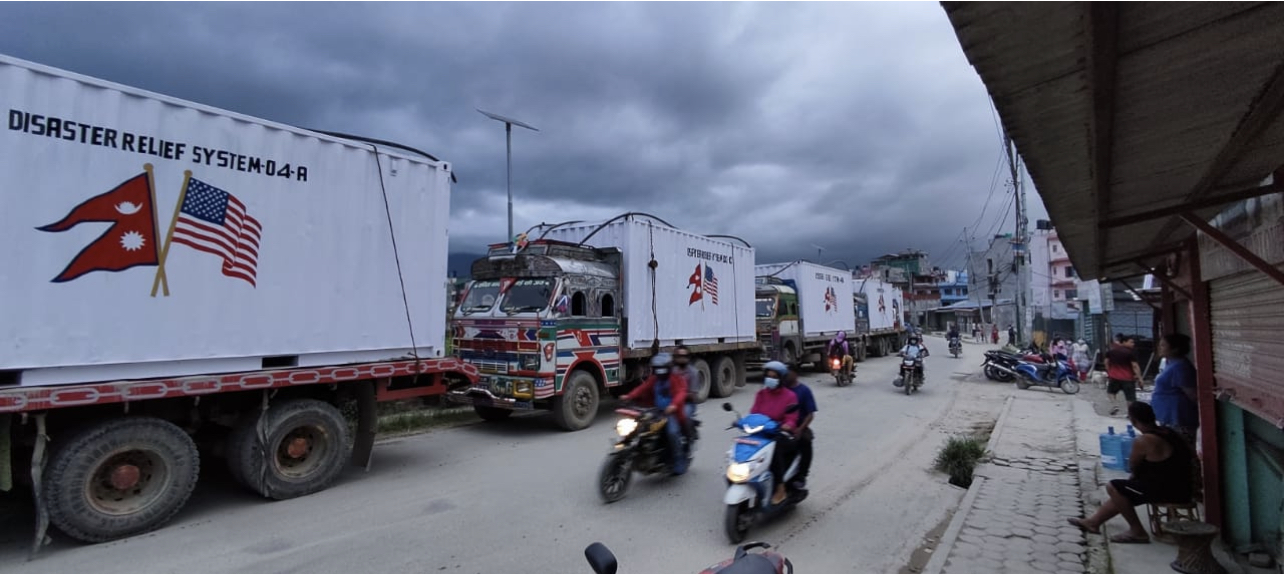



Each DRS was set up tactically to provide optimal support where it was necessary, because of this comprehensive delivery operation. Additionally, it enabled disaster response and emergency assistance more effectively in Nepal’s varied and frequently challenging terrain. Likewise, the execution of strategy phases made it feasible to approach disaster aid in a systematic and organized way, promptly responding to both immediate and planned requirements.

